

STEM-PD investigators publish a book chapter in the International Review of Movement Disorders

STEM-PD investigators, Gesine Paul and Agnete Kirkeby, alongside researchers from Kyoto and the BlueRock Therapeutics have recently published a book chapter summarising the current ongoing clinical trials using dopamine cell replacement in Parkinson’s and the respective cell sources used in these clinical trials.

In this chapter, the authors discuss cell therapies for Parkinson’s disease (PD) as an exciting and promising treatment option in clinical trials, showing early signs of safety and effectiveness. Although these trials are still in the early phases, they offer valuable lessons to improve future designs and optimize future potential cell products. The authors also describe the challenges that remain, such as the need for immunosuppression.

The authors consider the efforts that are underway to overcome certain challenges, such as the need for immunosuppression by creating hypoimmune universal cell lines that can evade the immune system and improve graft survival, along with better methods for producing and scaling cell products.

This chapter is an interesting read for anyone who is interested in the field of dopamine cell replacement therapy for PD. You can read the fulll chapter blow:


Full article: https://doi.org/10.1016/bs.irmvd.2024.08.004

This chapter was published in International Review of Movement Disorders, Vol 7,  Gesine Paul, Asuka Morizane, Agnete Kirkeby, Jun Takahashi, Claire Henchcliffe, Chapter Ten – The future: Stem cells? Current clinical trials using stem cells for dopaminergic cell replacement, Page 191-220, Copyright Elsevier (2024)
The Global Impact of Pluripotent Stem Cell Clinical Trials

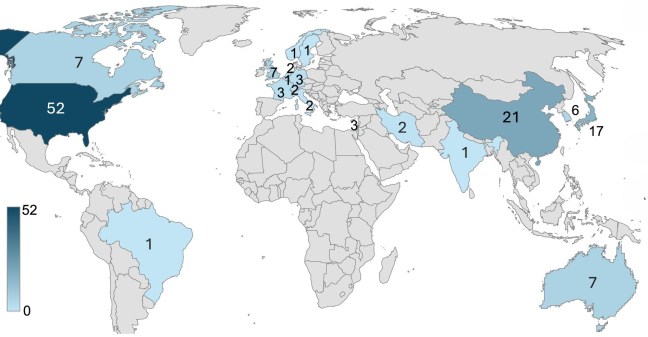
A team led by Associate Professor Agnete Kirkeby has published a review in Cell Stem Cell summarizing clinical trials using human pluripotent stem cells (hPSCs), which can self-renew and transform into any human cell type. Over 1,200 patients across 116 trials have received these treatments, targeting conditions like Parkinson’s, blindness, diabetes, and cancer. The review provides the first comprehensive data on patient numbers, cell doses, and immunosuppression strategies, essential for ensuring the safety of such therapies. No major safety concerns, like tumour formation, have been reported. This work is expected to be a valuable resource for advancing stem cell research worldwide.


Read the full review here: Cell Stem Cell. 2025 Jan 2;32(1):10-37. doi: 10.1016/j.stem.2024.12.005.

Stem Cells Enter the Clinic: A New Era for Regenerative Medicine

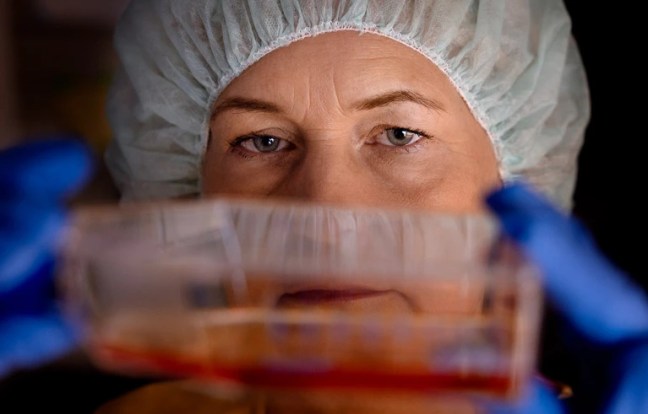
With over 100 clinical trials underway, stem cells are being tested as potential treatments for conditions like cancer, diabetes, and Parkinson’s disease. This marks a pivotal moment for regenerative medicine, a field that has faced significant ethical and political challenges in the past.


Read the full article at nature.com.

Source: Nature 637, 18-20 (2025), doi: https://doi.org/10.1038/d41586-024-04160-0

Image copyright: Åsa Sjöström for Nature

Tributes to Professor Debi Roberson

Emeritus Professor Debi Roberson, a trailblazing psychologist and artist, passed away peacefully on December 1, 2024. Debi’s academic journey began as a mature student at the University of Essex, where she became the first to earn a 1st in Psychology and later rose to Professor. Her groundbreaking research into color perception and language, conducted in remote regions like Papua New Guinea, earned her international acclaim, including a Nature publication and the BPS Cognitive Psychology Award. Despite being diagnosed with Parkinson’s Disease, she remained a pioneer, participating in one of the first stem cell replacement trials. Beyond academia, Debi lived a vibrant, adventurous life, embracing roles in art, travel, and community service. She will be deeply missed by all who knew her.


Tributes to Debi can be read in full at the following address: https://www.essex.ac.uk/blog/posts/2024/12/18/tributes-to-professor-debi-roberson

Trial update

It is with great regret that we report the death of a patient in the STEM PD trial. The death was caused by an opportunistic infection which was possibly related to the immunosuppressive treatment the patient was taking. An increased risk of invasive infection is a recognized but uncommon complication of immunosuppression. Despite prophylactic measures and intensive treatment, the patient unfortunately succumbed to the infection. 

This event is unrelated to the STEM-PD cell product or the surgical implantation of the cells. The study team completed transplantation of all patients in the STEM-PD trial in October 2024 and will continue to monitor the patients closely.